



Mini Split vs Central Air Which Is Better for Your Home?
When it comes to mini split vs central air which is better for keeping your home comfortable, the honest answer is: it depends on your home’s layout, existing infrastructure, and how you use your space. Here’s a quick breakdown to help you decide:
Quick Answer: Mini Split vs Central Air
| Factor | Mini Split | Central Air |
|---|---|---|
| Best for | No ductwork, zoned rooms, additions | Whole-home cooling with existing ducts |
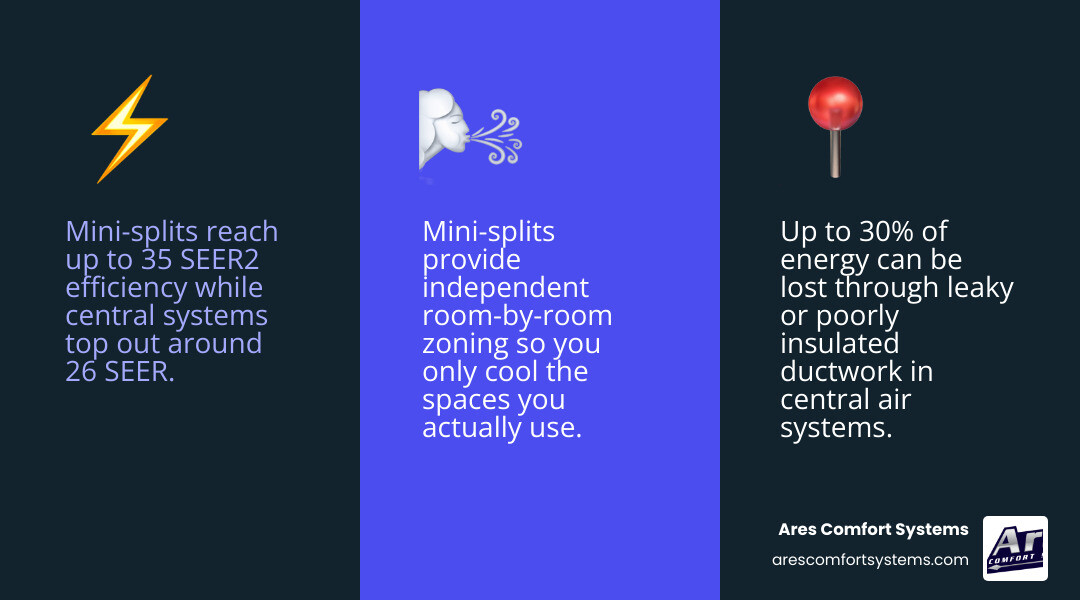
| Energy efficiency | Higher (up to 35 SEER2) | Good (up to 26 SEER) |
| Duct losses | None | Up to 20-30% energy lost |
| Zoning | Built-in, room-by-room | Requires add-on equipment |
| Installation | Less invasive | More invasive without existing ducts |
| Ideal home type | Older homes, additions, garages | Homes with existing ductwork in good shape |
Both systems cool your home effectively. But they solve different problems. A mini split delivers conditioned air directly into each room without any ductwork. Central air pushes cooled air through a network of ducts from one central unit.
Here in the Pacific Northwest — where King, Pierce, Thurston, and Kitsap Counties are seeing warmer summers year after year — choosing the right system matters more than ever. Whether you’re dealing with a hot upstairs bedroom, a newly finished basement, or planning a full system upgrade, understanding the real differences between these two options will save you money and frustration for years to come.
Comparing Home Cooling: Mini Split vs Central Air Which Is Better?

Choosing between these two powerhouses is the primary debate for homeowners in 2026. While both rely on the same basic refrigeration cycle to pull heat out of your home, their delivery methods are worlds apart. Central air is the “classic” choice, relying on a large indoor air handler and a network of hidden ducts. Ductless systems, on the other hand, use small indoor units mounted directly on walls or ceilings.
Understanding how ductless air conditioners work is essential because it highlights the flexibility they offer. Instead of one giant machine trying to cool the whole house, you have targeted cooling where you actually live. If you are looking for general air conditioning solutions, the choice often boils down to whether your home already has “veins” (ductwork) or if you need a fresh start.
Defining the Ductless Mini-Split
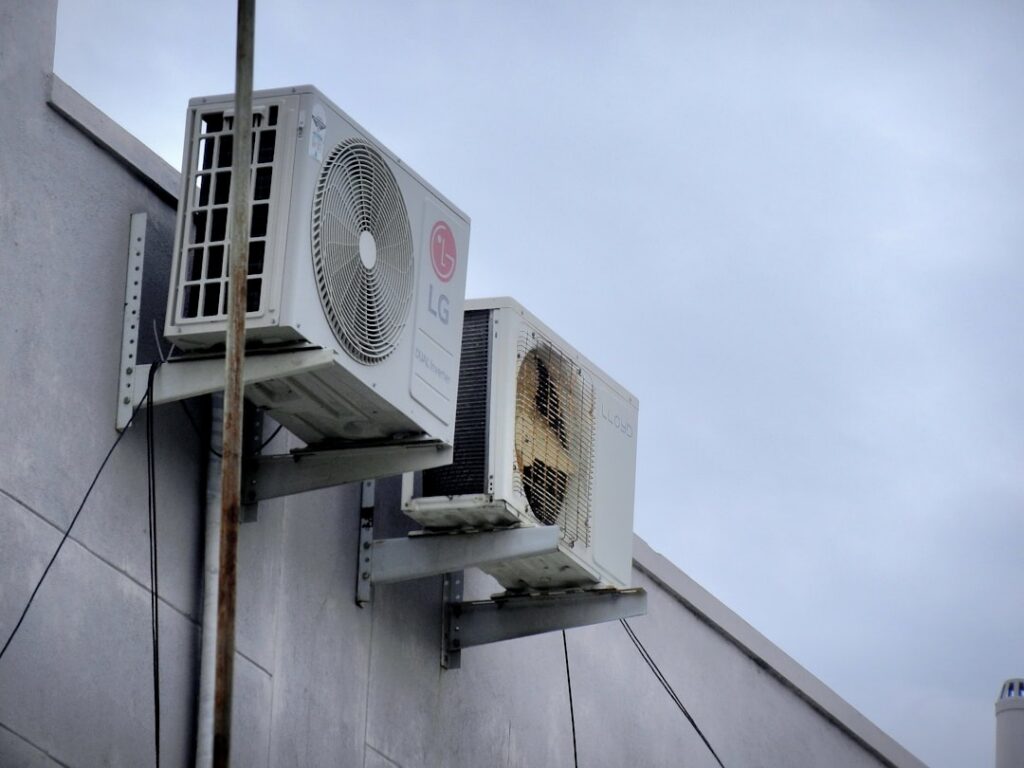
A mini-split system consists of two main parts: an outdoor compressor and one or more indoor air-handling units. These are connected by a small conduit containing refrigerant lines and power cables. Because they don’t need bulky ducts, they are incredibly flexible. You can learn more in our Ductless 101 guide, which explains how these systems provide both heating and cooling in a single package.
Defining Traditional Central Air
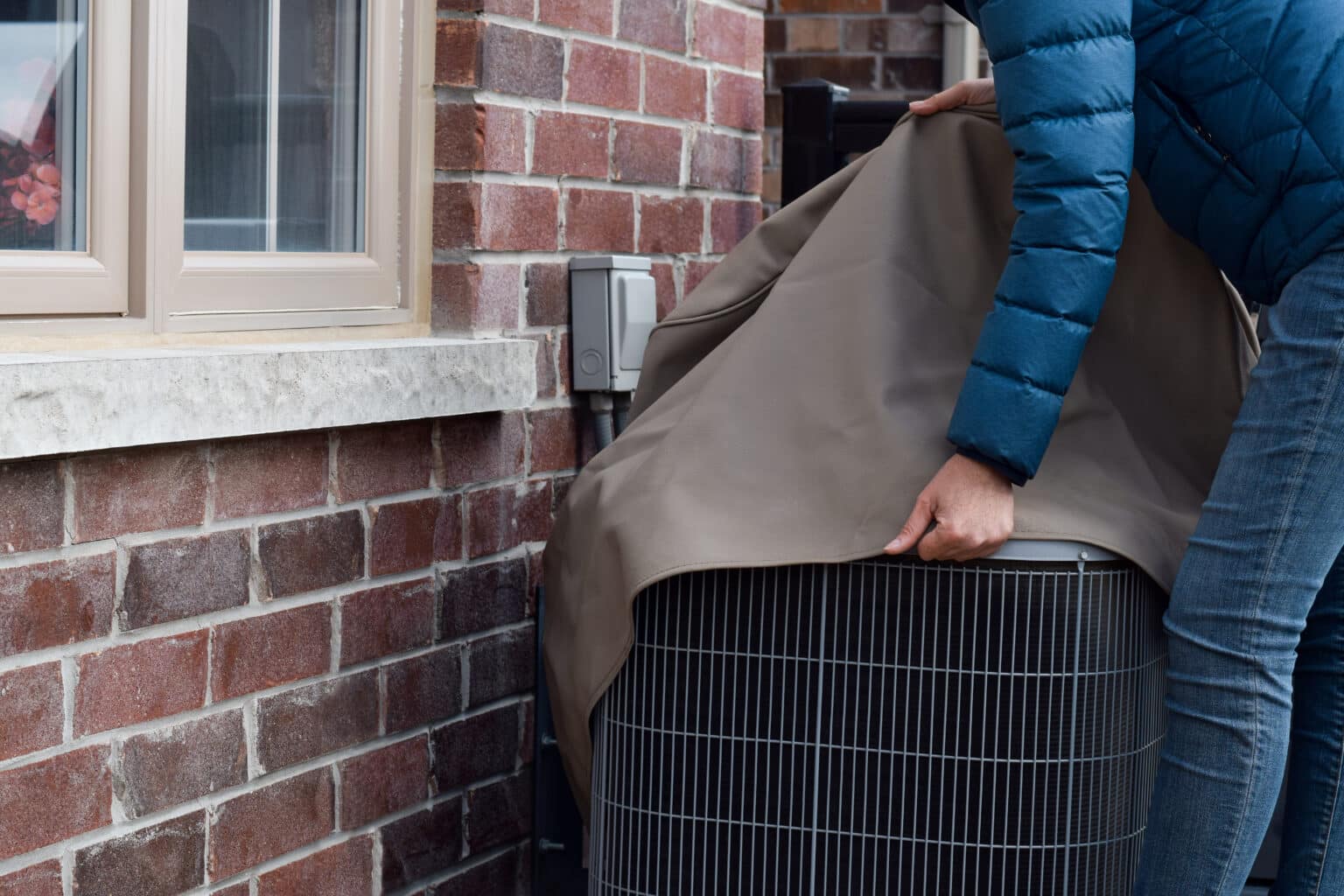
Central air is the standard for many modern builds in Washington. It uses a single evaporator coil located near your furnace or air handler. The system chills the air in one central spot and then uses a powerful blower to push it through every room via ducts. For many in our area, a Puyallup central AC replacement is the most logical step if their existing ductwork is already in great condition.
Energy Efficiency and Performance Standards in 2026
As of May 2026, energy standards have become more stringent. We now look at SEER2 (Seasonal Energy Efficiency Ratio 2) to measure how much cooling a system provides per watt of electricity. When asking mini split vs central air which is better for efficiency, the mini-split often takes the crown.
| Feature | Mini-Split (High-End) | Central Air (High-End) |
|---|---|---|
| Max SEER2 | Up to 35+ | Up to 26 |
| Compressor Type | Inverter (Variable Speed) | Often Dual-Stage or Single-Stage |
| Energy Loss | 0% (Ductless) | 20% to 30% (Duct Leakage) |
Choosing the best HVAC system for the Pacific Northwest often means looking for inverter technology, which allows the system to slow down or speed up rather than just blasting on and off.
Why a mini split vs central air which is better for energy efficiency?
Mini-splits are efficiency champions primarily because of their variable-speed inverter compressors. While traditional AC units operate like a light switch (either 100% on or 100% off), a mini-split operates like a dimmer switch. It sips energy to maintain a constant temperature. This precision is why many homeowners ask if a mini split is better for their wallet—the monthly utility savings can be substantial over a 15-year period.
The Impact of Duct Loss on Utility Bills
Ductwork is the “Achilles’ heel” of central air. According to the U.S. Department of Energy, typical duct systems lose 20% to 30% of the air moving through them due to leaks, holes, and poor connections. This means you’re paying to cool your attic or crawlspace instead of your bedroom. Since mini-splits are ductless, they avoid this waste entirely. For a deep dive into how we address these efficiency gaps, check out The Complete Guide to Ares Heating and Cooling.
Installation and Home Layout Considerations
Installation is where the two systems diverge most. If your home in Lakewood or Tacoma already has a furnace and ducts, replacing it with a new central unit is often straightforward. However, if you’re adding a room or live in a home without ducts, the AC installation process for a mini-split is far less invasive. We don’t have to tear open your walls to run large metal pipes; we just need a small three-inch hole for the refrigerant lines.
Deciding if a mini split vs central air which is better for your home layout?
Layout plays a huge role. If you have a large, open-concept home, central air provides a uniform feel that many people prefer. However, if you live in a multi-story home where the upstairs is always 10 degrees hotter than the downstairs, a multi-zone mini-split system might be better. These systems allow you to set different temperatures for different rooms. For those considering this route, our sizing guide for whole-house ductless is a great resource.
Solutions for Older Homes in King and Kitsap Counties
Many beautiful vintage homes in areas like Seattle and Bremerton were built long before air conditioning was a standard feature. Installing ductwork in these spaces can be a nightmare—both for your budget and your home’s historic charm. Ductless AC is a modern solution for vintage spaces, allowing you to stay cool without sacrificing your crown molding or ceiling height. If you’re in the south end, we also offer specialized AC replacement in Puyallup tailored to these older structures.
Maintenance, Air Quality, and Long-Term Reliability
Both systems require love to keep running smoothly. At Ares Comfort Systems, our air conditioning services cover everything from routine tune-ups to complex repairs, ensuring your investment lasts its full 15-to-20-year lifespan.
Routine Maintenance Requirements
Central air systems require you to change a large pleated filter every 1–3 months. You also need to keep the ductwork clean to prevent dust buildup. Mini-splits use permanent, washable mesh filters inside each indoor head. These should be rinsed every few weeks if you use the system year-round. Because ductless ACs don’t have ducts, you never have to worry about “dirty duct syndrome” circulating dust throughout your home.
Indoor Air Quality and Humidity Control
Central air is fantastic for whole-home filtration because you can install high-end MERV-13 filters or UV air purifiers directly into the ductwork. However, mini-splits offer localized filtration that can be very effective for allergy sufferers. They are also excellent at dehumidification. If you’re currently using a noisy window unit, switching to a mini-split is a massive upgrade in both air quality and quietness—see our comparison of ductless vs window units to see why.
Frequently Asked Questions About Home Cooling
Can I combine both systems in a hybrid setup?
Absolutely! We often see homeowners in Pierce and Thurston Counties keep their central air for the main living areas but add a mini-split to a “problem room,” such as a converted garage, a sunroom, or a master suite that never stays cool enough. This hybrid approach gives you the best of both worlds.
Which system provides better room-by-room zoning?
The mini-split is the undisputed king of zoning. Each indoor unit has its own thermostat. If you want your bedroom at 68 degrees but the guest room at 74, you can do that with the touch of a button. Central air requires expensive motorized dampers and separate control systems to achieve even a fraction of that precision.
How long do these systems typically last in Washington?
In our mild Pacific Northwest climate, both systems generally last between 15 and 20 years. The key is regular maintenance. Our Comfort Service Agreements are designed to catch small issues before they become expensive breakdowns, ensuring your system survives the record-breaking heatwaves we’ve been seeing lately.
Conclusion
At the end of the day, the debate over mini split vs central air which is better comes down to your specific needs. If you have a home with healthy ducts and want a “set it and forget it” whole-house solution, central air is a fantastic choice. If you have an older home, a new addition, or want the highest possible energy efficiency and room-by-room control, a mini split is likely your winner.
At Ares Comfort Systems, we’ve spent decades helping neighbors across King, Pierce, Thurston, and Kitsap Counties find their perfect comfort zone. Whether you choose ducted or ductless, our “Fixed Right Promise” and 100% satisfaction guarantee mean you can rest easy knowing your home will be a sanctuary of cool air all summer long. Ready to find out which system fits your home? Give us a call today for a professional assessment!