



What Is a Mini Split System — And Why More Homeowners Are Making the Switch
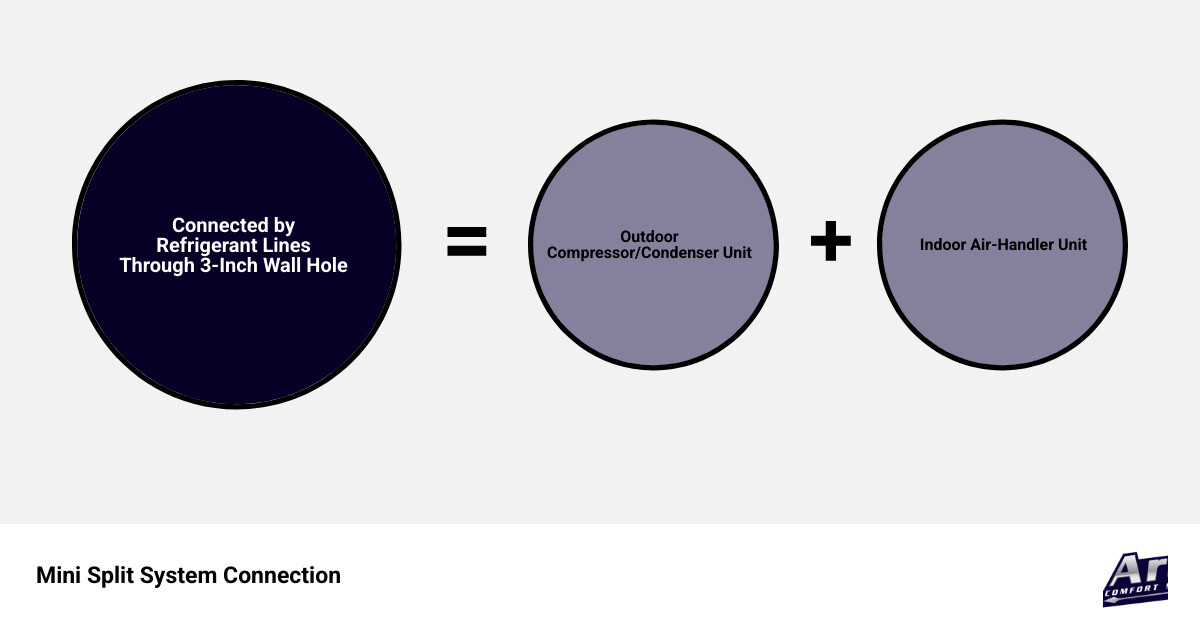
What is a mini split system? It’s a ductless heating and cooling system made up of two main components — an outdoor compressor/condenser and one or more indoor air-handling units — connected by a small conduit that requires nothing more than a three-inch hole through your wall.
Here’s the quick version:
- No ductwork required — refrigerant lines do the work instead
- Heats and cools — most models function as heat pumps year-round
- Zoned comfort — each indoor unit controls its own space independently
- Highly efficient — avoids the 20–30% energy loss common in ducted systems
- Flexible installation — wall-mounted, ceiling cassette, or floor-standing options available
If your home runs on a ducted central air system, you may already be losing a significant portion of your conditioned air before it ever reaches the room. Mini splits sidestep that problem entirely.
Whether you’re looking to heat a room addition, upgrade an older home without ductwork, or simply take better control of your comfort zone by zone, ductless technology has become one of the most practical HVAC solutions available to homeowners in King County, Pierce County, Thurston County, and Kitsap County.
This guide covers everything — how mini splits work, what types exist, where they shine, and how to keep one running for the long haul.
Understanding What is a Mini Split System
To truly grasp what is a mini split system, it helps to look at it as the “Swiss Army knife” of the HVAC world. Unlike a central furnace or air conditioner that relies on a labyrinth of bulky metal ducts to move air, a mini split delivers comfort directly to the source.
How It Works: The Heat Pump Cycle
At its core, a mini split is a specialized heat pump. In the summer, it acts as a heat sponge, absorbing the warmth inside your home and pumping it through copper refrigerant lines to the outdoor unit, where it’s released. In the winter, the process simply flips. Even in our chilly Washington winters, there is ambient heat in the outdoor air. The system extracts that heat and brings it inside.
Because it moves heat rather than generating it through combustion (like a gas furnace), it is incredibly efficient. Many modern systems utilize inverter technology. Think of this like cruise control for your car; instead of the system constantly kicking on and off at full blast, the inverter allows the compressor to speed up or slow down precisely to maintain the exact temperature you want. This prevents those annoying “hot and cold” swings and saves a massive amount of electricity.
The Anatomy of the System
The physical setup is remarkably simple. You have an outdoor compressor/condenser unit that sits on a pad or is mounted to the side of your home. This is linked to one or more indoor air-handlers via a “conduit.” This conduit houses the power cable, refrigerant tubing, and a condensate drain line.
One of the biggest selling points for homeowners in Pierce or King County is the non-invasive installation. We only need to drill a small 3-inch wall hole to connect the units. This means we aren’t tearing up your drywall or sacrificing your closet space to run new ducts. For a deeper dive into the mechanics, you can read more about how ductless air conditioners work and why you might want one.
Key Components and Configuration Options
When we talk about what is a mini split system, we aren’t just talking about a white box on a wall. There is a surprising amount of variety in how these systems can be configured to fit your home’s aesthetic and layout.
Single-Zone vs. Multi-Zone
- Single-Zone: This consists of one outdoor unit connected to one indoor unit. It’s the perfect solution for a specific problem area, like a sunroom that’s always too hot or a new garage workshop.
- Multi-Zone: A single outdoor unit can power up to five or even eight indoor units (depending on the model). This allows you to create a whole-home solution where every bedroom and living space has its own independent thermostat. You can learn more about these setups on our Ductless ACs page.
Indoor Unit Styles
You aren’t limited to the standard high-wall mount. Depending on your room’s architecture, you might choose:
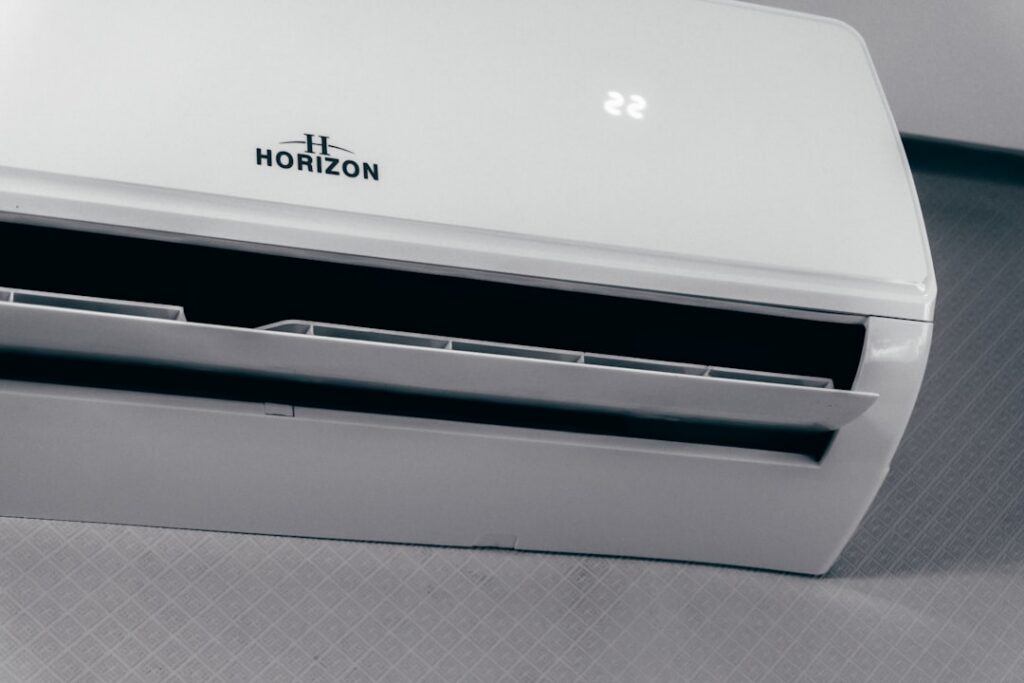
- Wall-Mounted: The most common and cost-effective option, placed high on the wall for optimal air distribution.
- Ceiling Cassette: These sit flush with the ceiling, with only the grille showing. They are great for open-concept areas.
- Floor-Standing: Perfect for rooms with low ceilings or under windows where wall space is limited.
Every unit comes with a remote control, and many now offer smart home integration, allowing you to adjust the temperature in your Lakewood home from your smartphone before you even leave work. Of course, getting the right size is critical to efficiency. An oversized unit will “short cycle,” turning on and off too quickly, while an undersized unit will struggle to keep up. We recommend checking out our sizing guide for homeowners going ductless for the whole house to see how we calculate these needs.
Why Homeowners are Switching from Central Air
In April 2026, energy efficiency is more than just a buzzword—it’s a necessity for managing household budgets. When comparing what is a mini split system to traditional central air, the numbers tell a compelling story.
| Feature | Central Air Conditioning | Ductless Mini Split |
|---|---|---|
| Duct Loss | 20–30% energy loss | 0% (No ducts) |
| Efficiency (SEER2) | Typically 14–22 SEER2 | Up to 35.1 SEER2 |
| Zoning | Whole-home (All or nothing) | Room-by-room control |
| Noise Level | Loud (Forced air/clunky ducts) | Whisper-quiet (20dB–49dB) |
| Lifespan | 12–15 years | 15–20 years |
The “Duct Tax”
Traditional ducted systems are inherently flawed. Statistics show that duct losses account for more than 30% of energy consumption for space conditioning, especially if those ducts run through unconditioned spaces like a dusty attic or a crawlspace. By eliminating the ducts, you’re essentially giving yourself a 30% discount on your energy bill right out of the gate.
Precision Performance
Top-tier mini splits, like the Carrier Infinity® series, can achieve staggering ratings of up to 35.1 SEER2 and 30 HSPF2. For comparison, most ducted heat pumps max out around 25 SEER2.
Beyond the wallet, there is the “comfort factor.” Central air is an all-or-nothing game. If you want the master bedroom at 68 degrees, you’re stuck cooling the guest room and the dining room to 68 degrees too. With a mini split, you only condition the rooms you are actually using. This is why many ask, is a mini split better than central air for your wallet and comfort?—and for many in the Puget Sound area, the answer is a resounding yes.
Furthermore, mini splits offer multi-stage filtration. Because each indoor unit has its own filter, they are exceptional at capturing dust, pollen, and allergens before they circulate, providing a significant boost to your indoor air quality.
Ideal Applications for Ductless Technology in Washington
Our service area features a beautiful mix of historic architecture and modern builds. What is a mini split system designed for? Almost anything, but it truly shines in these specific scenarios:
- Older Homes: Many vintage homes in Tacoma or Olympia were built with radiant heat or baseboards and lack the space for bulky ductwork. Mini splits provide a modern cooling solution without destroying the home’s historic charm. Check out the pros and cons for older homes for more insight.
- Room Additions: If you’ve finished an attic, basement, or added a sunroom, your existing HVAC system likely wasn’t sized to handle the extra square footage. A mini split is the perfect “supplemental” partner.
- Garages and Workshops: Whether you’re a weekend tinkerer or have a home gym in the garage, a mini split can make that space usable 365 days a year.
- Solving “Hot Spots”: We all have that one room that never stays cool. A single-zone mini split can fix that specific room without needing to replace your entire home’s system. You can explore more options for adding cooling to a home without ductwork here.
What is a mini split system for room additions?
When you add a room, extending ductwork is often a nightmare—it’s expensive, messy, and can compromise the efficiency of your main furnace. A mini split acts as an independent comfort station. It’s also a fantastic retrofit for homes with hydronic heating or radiant panels, where adding ducts simply isn’t an option.
Installation and Long-Term Care
While there are DIY kits on the market, professional installation is vital for several reasons. First, the refrigerant lines (which can run up to 50 feet) require specialized tools to vacuum and charge correctly. Second, a professional ensures the system is sized correctly for our specific Western Washington climate.
Lifespan and Reliability
With proper care, a mini split system can last 15 to 20 years. That is significantly longer than the 12-year average for most central AC units. However, that longevity depends on maintenance.
What is a mini split system maintenance schedule?
We recommend a simple routine to keep your system in peak condition:
- Monthly: Check and clean the indoor air filters. This takes five minutes and is the single best thing you can do for efficiency.
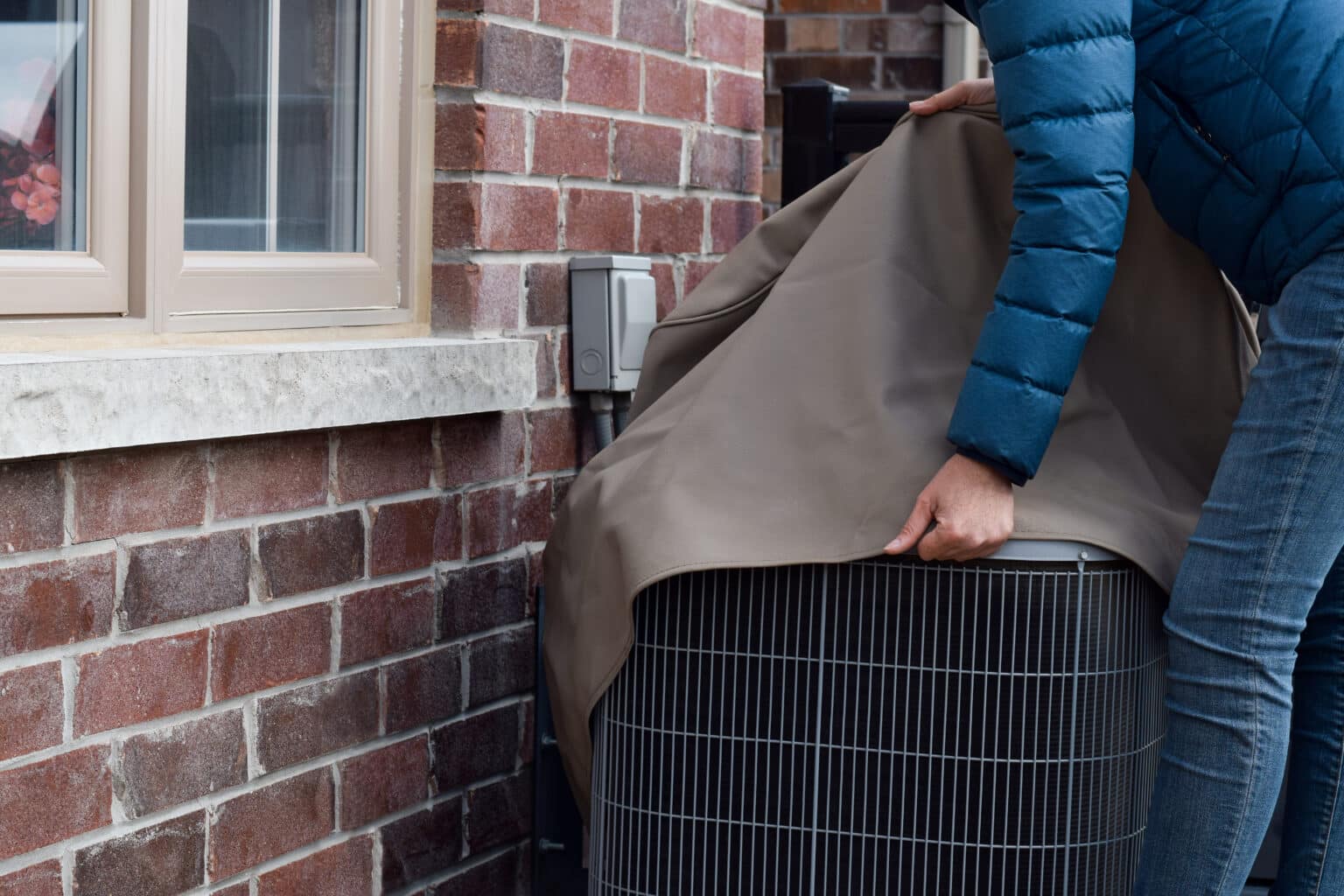
- Seasonally: Ensure the outdoor unit is clear of leaves, snow, or debris.
- Annually: Schedule a professional tune-up. We check refrigerant levels, clean the coils, and ensure the condensate drain isn’t clogged.
For residents in Puyallup and surrounding areas, our expert tips for maintaining your split system AC provide a great checklist to follow. You can also view our general Mini Splits service page for more information on how we handle these high-performance machines.
Frequently Asked Questions about Ductless HVAC
Do mini splits work in extreme cold?
Absolutely. While older heat pumps struggled when the temperature dropped below freezing, modern technology has changed the game. Some units are designed to provide 100% heating capacity at -5°F and can continue to operate at 80% capacity even at -22°F. Conversely, they can keep your home a crisp 70 degrees even when it’s 130°F outside. They are built for year-round reliability in King and Kitsap Counties.
Are mini split systems noisy?
One of the most common surprises for our customers is how quiet these units are. Indoor units operate as low as 20 decibels, which is essentially a whisper or the sound of rustling leaves. The outdoor units are also remarkably quiet, often rated around 53 decibels—about the same sound as an electric toothbrush. They are much quieter than the “clunk and hum” of a traditional central AC unit.
Can a mini split provide both heating and cooling?
Yes! In fact, most mini splits are all-electric heat pumps. They use a reversing valve to switch the flow of refrigerant, allowing them to provide cooling in the summer and heat in the winter. They are an excellent fossil-fuel alternative for those looking to go green. Many also feature a reheat dehumidification mode, which pulls moisture out of the air without drastically changing the room temperature—a lifesaver during those humid, rainy Washington spring days.
Conclusion
At Ares Comfort Systems, we’ve seen how a transition to ductless technology can transform a home’s comfort. Whether you’re in Lakewood, Tacoma, or anywhere across King, Pierce, Thurston, or Kitsap Counties, we are here to help you navigate mini splits.
We stand behind every installation with our 100% Satisfaction Guarantee and our Fixed Right Promise. We know that choosing a new HVAC system is a big decision, and we have the decades of experience necessary to ensure your home stays comfortable for the next 20 years.
If you’re ready to see how a mini split can lower your energy bills and give you total control over your home’s climate, visit our Mini Splits page or give us a call today for a free consultation. Let us help you find the perfect comfort solution for your unique Washington home.