

Why Preparing Your Cooling System for a Pacific Northwest Summer Matters More Than Ever
Preparing your cooling system for a Pacific Northwest summer is one of the smartest things you can do as a homeowner in King, Pierce, Thurston, or Kitsap County right now. The region’s mild reputation can be deceiving — recent summers have brought back-to-back heat waves that push temperatures well above 95°F, and climate trends suggest that pattern is continuing into 2026.
Here’s a quick overview of the most important steps to get your cooling system ready:
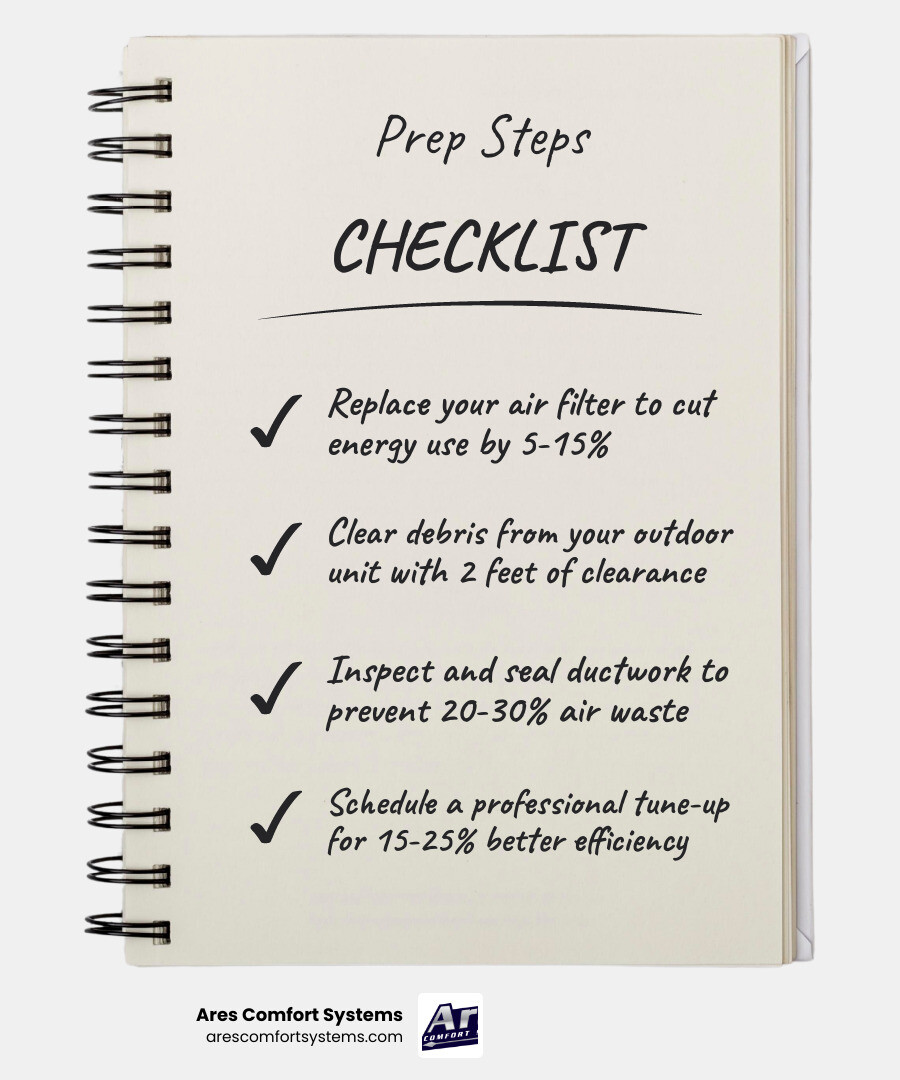
- Replace your air filter — a clean filter can cut energy use by 5–15%
- Clear debris from your outdoor unit — maintain at least 2 feet of clearance
- Test your system now — run a 15-minute cooling test on a mild spring day
- Inspect and seal ductwork — leaky ducts can waste 20–30% of cooled air
- Check thermostat settings — 78°F is the recommended summer set point
- Schedule a professional tune-up — well-maintained systems run 15–25% more efficiently
- Add window coverings — the right shades can cut AC use by up to 25%
- Prepare for wildfire smoke — upgrade to MERV 13 filters if your system supports them
The stakes are real. Every year in the U.S., extreme heat sends nearly 10,000 people to the hospital and more than 67,000 to emergency rooms. A cooling system that’s been sitting idle since last summer may not be ready to handle a sudden heat spike — and HVAC technicians book up fast once temperatures rise.
The good news is that a little preparation now goes a long way. This guide walks you through every step, from basic DIY maintenance to knowing when to call in a professional.
Essential Maintenance for Preparing Your Cooling System for a Pacific Northwest Summer
In our decades of experience serving the Puget Sound region, we’ve seen how the “wait and see” approach leads to mid-July emergencies. When the first 90-degree day hits, an unmaintained system often struggles to keep up, leading to frozen coils or blown compressors.
Whether you have a traditional central air conditioner or a modern heat pump, efficiency is the name of the game. Heat pumps are incredibly popular in Western Washington because they handle both heating and cooling, but they endure thousands of defrost cycles during our wet winters. By the time May 2026 rolls around, these units are often fatigued and need a “pit stop” before the summer sprint.
One of the simplest yet most effective tasks you can perform is air filter replacement. According to the U.S. Department of Energy, replacing a dirty, clogged filter with a clean one can lower your air conditioner’s energy consumption by 5% to 15%. For detailed steps on getting started, check out The Ultimate Guide to Getting Your Air Conditioner Ready for Warm Weather.
Cleaning Coils and Clearing Debris
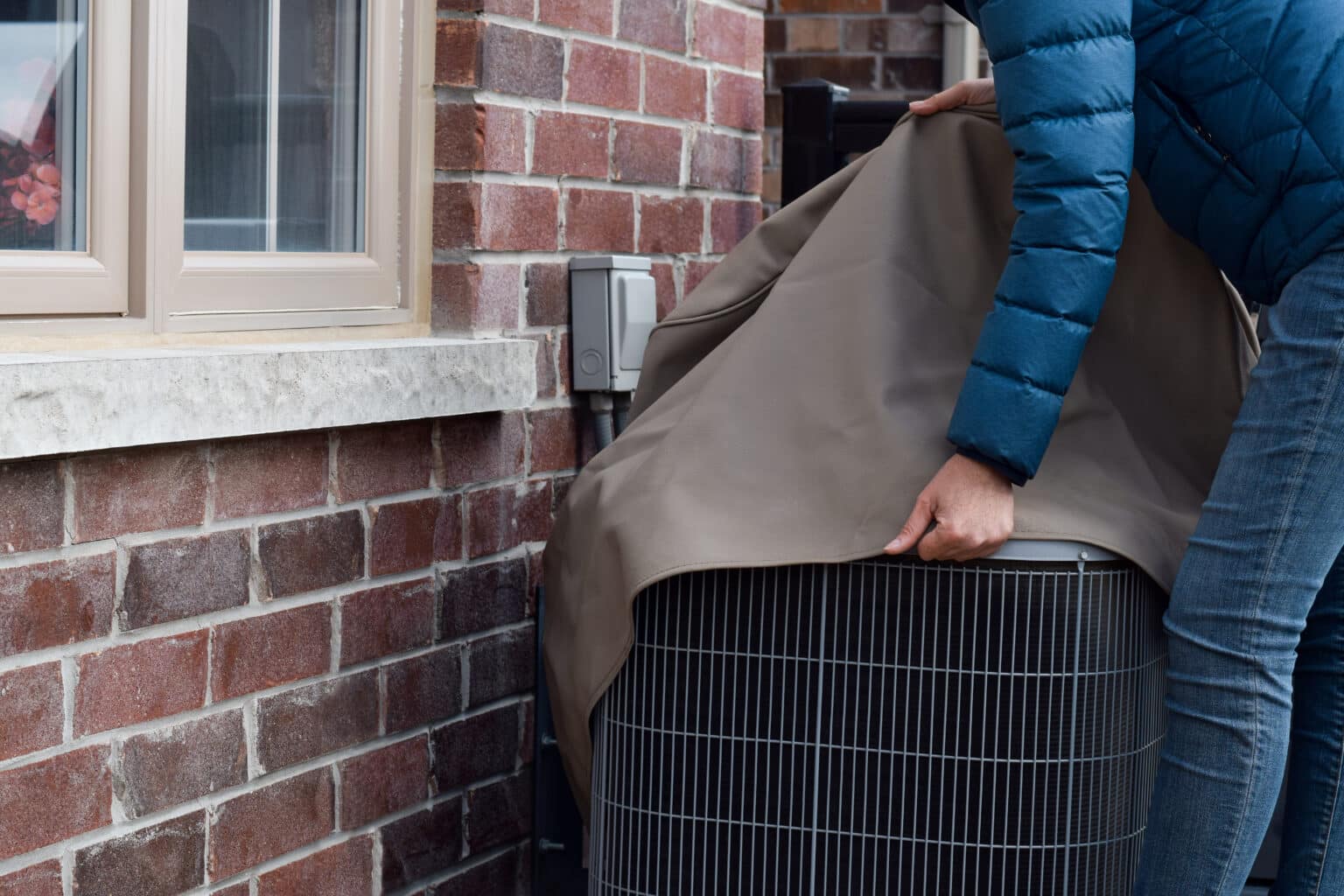
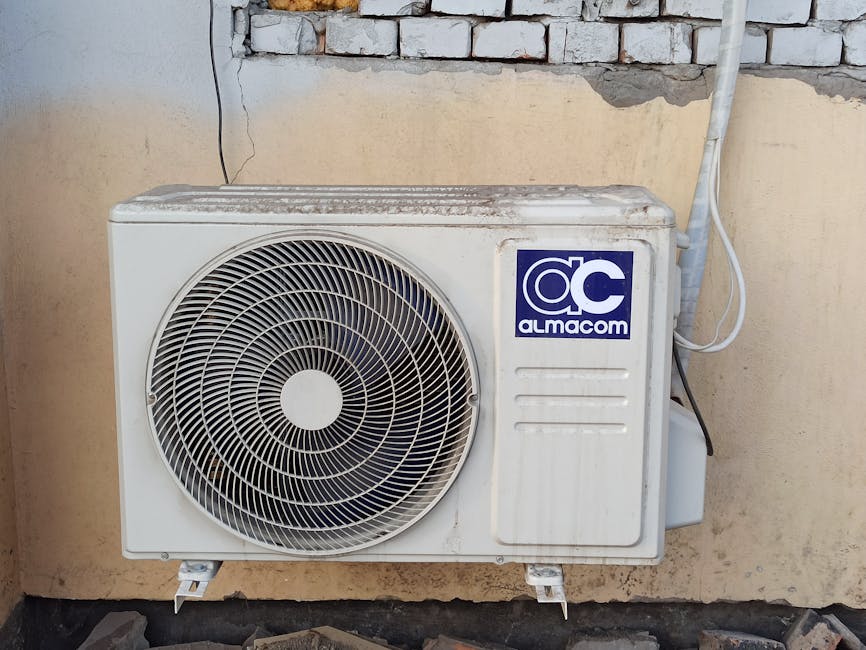
Your outdoor condenser unit needs to “breathe” to release the heat it pulls from inside your home. During a typical Washington spring, windstorms deposit branches, leaves, and dirt around the base of your unit. Even worse, the “cottonwood snow” and heavy tree pollen common in King and Pierce Counties can create a thick blanket over the condenser coils, choking off airflow.
We recommend maintaining a strict 2-foot “breathing zone” around the entire outdoor unit. Trim back any shrubs, move stored items, and clear away any encroaching weeds. If the coils look dusty or grimy, you can gently rinse them with a garden hose using low pressure. Never use a pressure washer, as it can bend the delicate aluminum fins. If you notice bent fins, a specialized “fin comb” can be used to straighten them, ensuring maximum surface area for heat exchange. These are just a few Essential HVAC Tasks to Do Every Spring that keep your system from overworking.
Inspecting Ductwork and Refrigerant Lines
Even the most efficient high-efficiency HVAC system will struggle if the “delivery system” is compromised. In many older homes across the Kitsap Peninsula and Thurston County, ductwork runs through unconditioned attics or crawlspaces. Over time, seals can fail. It’s estimated that the average home loses 20% to 30% of its conditioned air through duct leaks.
We suggest inspecting any visible ductwork for gaps or disconnected joints. Sealing these with mastic sealant or professional-grade foil tape (not standard “duct tape,” which ironically fails quickly on ducts) ensures the cold air actually reaches your living room. Additionally, check the large copper pipes running to your outdoor unit. The foam insulation on the “suction line” should be intact. If it’s cracked or missing, your system will lose cooling capacity before the refrigerant even enters your home.
Maximizing Efficiency During PNW Heat Waves
Once your hardware is ready, your daily habits become the next line of defense. During a heat wave, your cooling system isn’t just fighting the outdoor temperature; it’s fighting the heat generated inside your home.
A common mistake we see is “cranking it down” to 65°F when it gets hot. This doesn’t cool the house faster; it just makes the system run longer. The Department of Energy recommends a set point of 78°F when you are home. While that might sound high, using it in combination with fans can keep you perfectly comfortable. For more on this, see our guide on Maximizing Energy Efficiency in Your Washington Home.
Strategic Habits for Preparing Your Cooling System for a Pacific Northwest Summer
To support your HVAC system, try to align your home life with the natural temperature swings of the Puget Sound.
- Trapping Morning Air: Keep windows and doors closed as soon as the outdoor temperature matches your indoor temperature. This traps the cool morning air inside.
- Appliance Timing: Run heat-making appliances like dishwashers, dryers, and ovens after 9:00 PM.
- Lighting: Switch to LED bulbs. They stay cool to the touch, whereas old incandescent bulbs act like tiny space heaters.
- Fan Direction: Ensure your ceiling fans are rotating counterclockwise. This creates a “wind chill” effect that can make a room feel 5 degrees cooler without actually lowering the temperature.
- Hydration: Staying hydrated helps your body’s natural cooling system work better, allowing you to feel comfortable at slightly higher thermostat settings.
Managing Humidity and Coastal Factors
Living near the water in places like Bremerton or Des Moines brings unique challenges. High humidity makes the air feel “heavy” and forces your AC to work harder to dehumidify. If your home feels clammy even when the AC is running, you might benefit from a dedicated whole-home dehumidifier.
Furthermore, coastal homes must contend with salt air, which can accelerate corrosion on outdoor aluminum fins. A regular fresh-water rinse of the outdoor unit (as mentioned earlier) is vital for these properties. Another major concern in recent years is wildfire smoke. When air quality dips, your HVAC system becomes your primary air purifier. We recommend keeping a “smoke kit” ready, including high-quality MERV 13 filters that can capture fine particulates. For more localized advice, check out Seasonal AC Maintenance Tips for Puyallup’s Changing Weather.
Passive Cooling Strategies to Support Your HVAC
The sun’s heat coming through windows is the single biggest source of heat gain in most homes. By blocking that energy before it enters your living space, you can reduce your AC’s workload by up to 25%.
- Insulated Cellular Shades: These are among the most effective interior window treatments, creating an air barrier that blocks heat.
- Exterior Solar Screens: These can cut AC use by more than 20% compared to no window coverings by stopping the sun before it even hits the glass.
- Landscaping: This is a long-term but powerful strategy. Planting deciduous trees on the south and west sides of your home provides shade in the summer but allows the sun to warm your home in the winter after the leaves fall.
Creating a Dedicated Cool Room
During extreme heat events, it’s wise to designate a “cool room”—usually a room on the lowest level of the home with the fewest windows.
- Portable Units: If your central system is struggling, a portable AC unit in this single room can provide a sanctuary.
- Sealing: Use draft stoppers at the bottom of the door to keep the cool air in.
- Thermal Mass: Keep heavy curtains closed in this room all day to prevent the walls and floor from soaking up heat.
The Strategic Advantage of Professional Spring Inspections
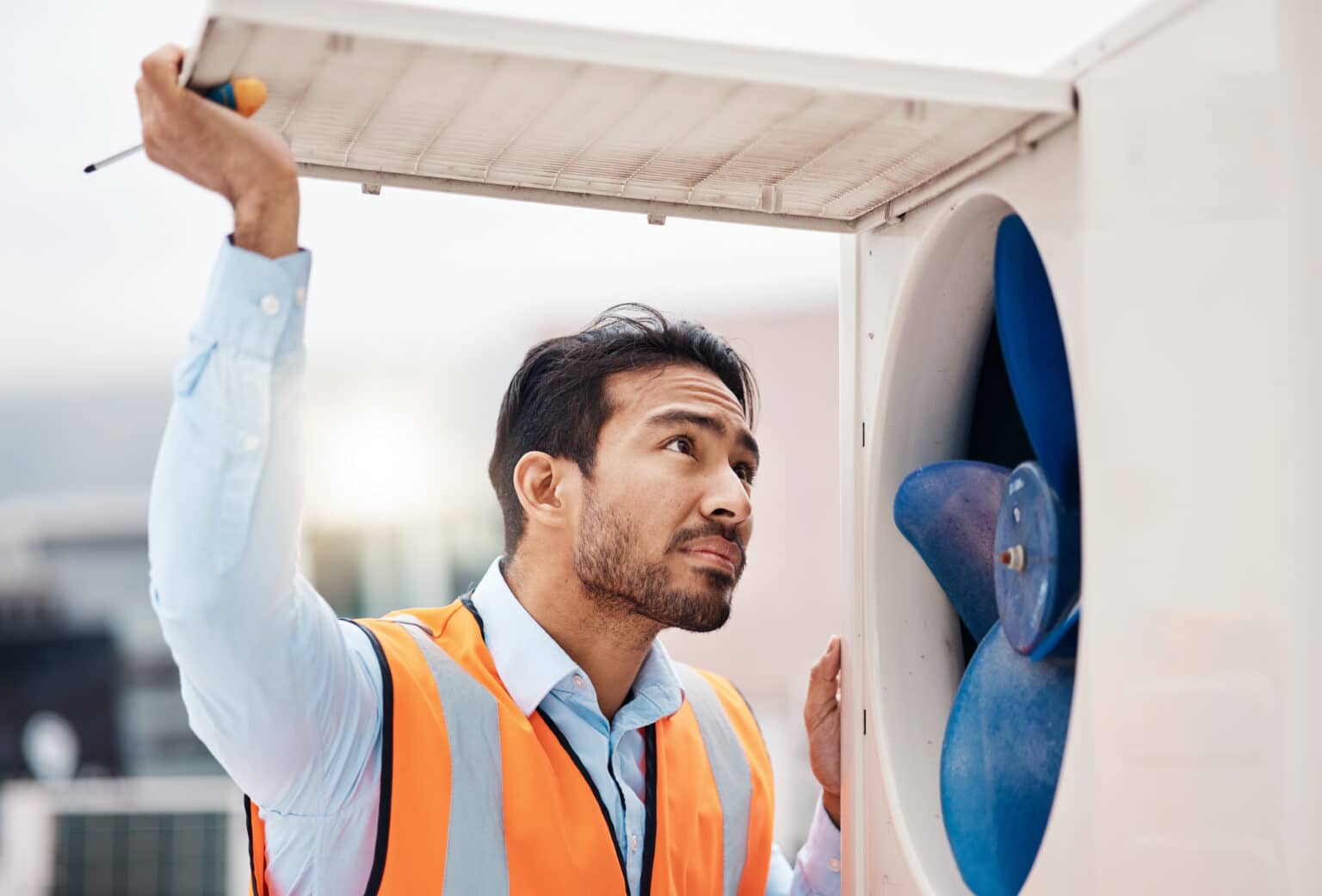
While DIY tasks are essential, they don’t replace a professional eyes-on-the-system checkup. At Ares Comfort Systems, our professional tune-ups include technical checks that require specialized tools.
We perform electrical stress testing on capacitors—the components that give your motor the “kick” it needs to start. These often fail during heat waves because they are already weakened by winter use. We also clear condensate drain lines; a clogged drain can lead to water damage inside your home or a system that shuts down unexpectedly.
A professional calibration of refrigerant levels is also critical. Too much or too little refrigerant can cut efficiency by 20% and eventually destroy the compressor. These inspections offer The Strategic Advantage of Spring HVAC Checkups, providing an efficiency boost of 15–25% and potentially adding 5–10 years to the life of your equipment.
Frequently Asked Questions about Preparing Your Cooling System for a Pacific Northwest Summer
How often should I change my filters during a Washington summer?
In the Pacific Northwest, we recommend checking your filter every 30 days. While a standard filter might last 90 days in the winter, summer brings high pollen counts and “cottonwood season,” which can clog a filter in weeks. If we experience wildfire smoke, you should change it even more frequently to ensure your indoor air remains clean and your system’s airflow isn’t restricted.
Is a heat pump better than a traditional AC for the Puget Sound?
For our temperate maritime climate, heat pumps are often the superior choice. They are incredibly efficient at both heating and cooling. Modern units with inverter technology can modulate their speed, providing a steady “sip” of energy rather than the “all or nothing” blast of older AC units. This is particularly helpful for managing the humidity we often see in King and Kitsap Counties.
What is the best thermostat setting for energy efficiency in May 2026?
We recommend 78°F. For every degree you set your thermostat lower than 78°F, you can increase your energy usage by up to 6%. If that feels too warm, give yourself about two weeks to acclimate. Most humans can adjust to higher indoor temperatures if the change is gradual and supported by good airflow from fans.
Conclusion
Preparing your cooling system for a Pacific Northwest summer shouldn’t be a stressful chore. By following these steps—from clearing your outdoor unit to upgrading your window shades—you ensure your home remains a comfortable retreat regardless of the temperature in Seattle or Tacoma.
At Ares Comfort Systems, we are dedicated to keeping our neighbors in King, Pierce, Thurston, and Kitsap Counties cool all summer long. Our decades of experience and “Fixed Right Promise” mean you can trust us to get your system in peak condition. Whether you need a simple tune-up or a high-efficiency system upgrade, we back all our work with a 100% satisfaction guarantee.
Don’t wait for the heat wave to arrive. Schedule your air conditioning service today and ask about our Comfort Service Agreements for year-round peace of mind.