


Why Preparing Your AC for Summer Can Save You from a Costly Breakdown
How to prepare your AC for summer is something every homeowner in King, Pierce, Thurston, and Kitsap Counties, Washington should know before the warm months arrive. Skipping this step is one of the most common reasons cooling systems fail on the hottest days of the year — exactly when you need them most.
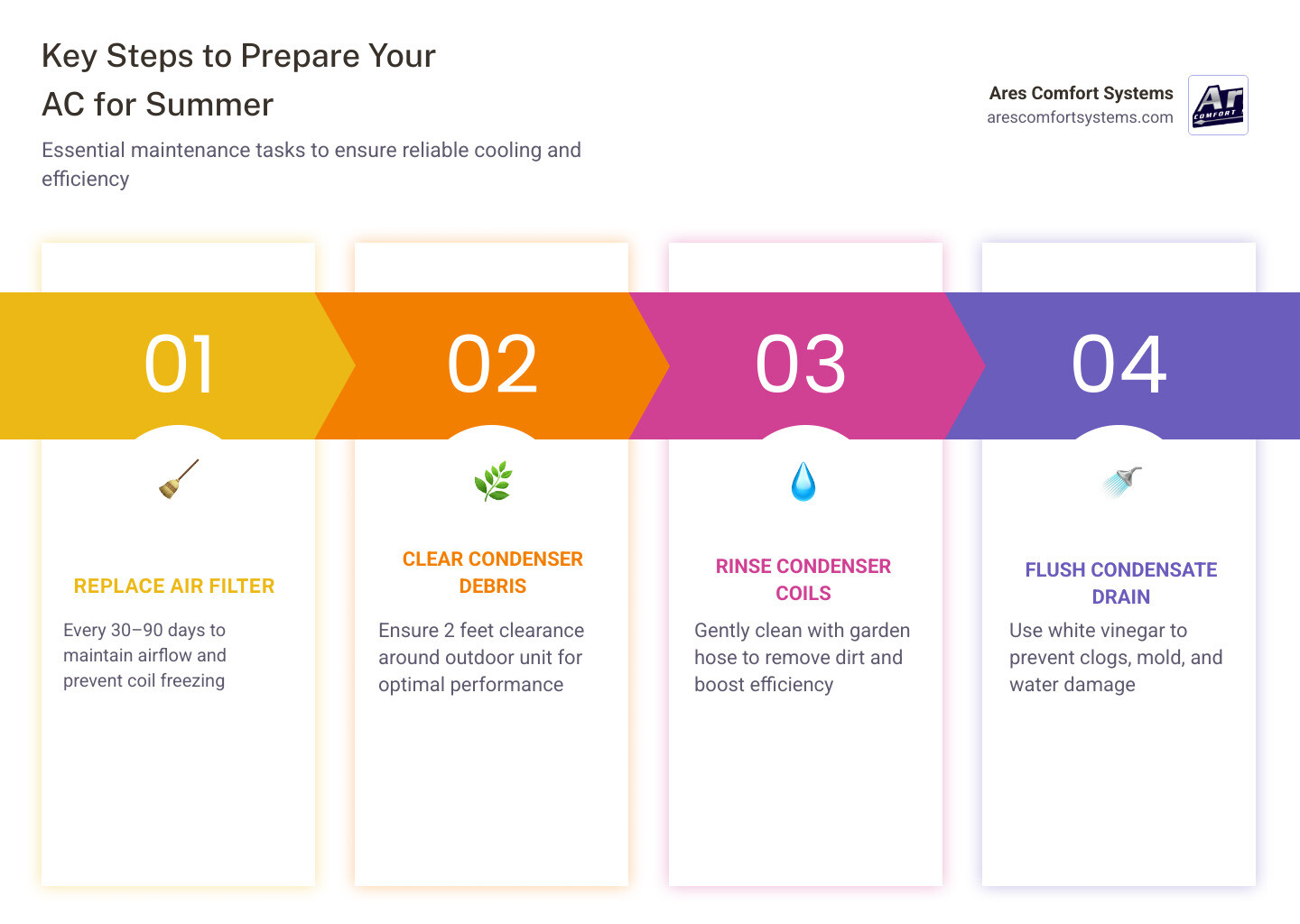
Here’s a quick overview of the key steps:
- Replace or clean your air filter (every 30–90 days, or more often with pets)
- Clear debris around the outdoor condenser unit and maintain at least 2 feet of clearance on all sides
- Rinse the condenser coils gently with a garden hose
- Flush the condensate drain line with white vinegar to prevent clogs and mold
- Test your thermostat and set it to 78°F when home, 7–10°F higher when away
- Inspect visible ductwork for gaps or leaks
- Turn the circuit breaker on 24 hours before your first full test run
- Schedule a professional tune-up before peak summer demand
Routine AC maintenance can reduce your cooling costs by 5% to 15% and add years to the life of your system. In Washington State, where summers are getting warmer each year, a system that hasn’t been serviced can struggle to keep up — and small problems that are easy to fix in spring can turn into expensive repairs by July.
The good news? Most of the prep work is straightforward. A few hours of attention now can keep your home comfortable all summer long and help you avoid the frustration of calling for emergency repairs during a heat wave.
Essential Steps on How to Prepare Your AC for Summer
The path to a cool home starts indoors. Before you even think about the outdoor machinery, you need to address the components that dictate how well your system “breathes.” The single most impactful task you can perform is checking your air filters. A clogged filter restricts airflow, forcing your blower motor to work overtime and potentially causing your evaporator coils to freeze up.
When selecting a filter, pay attention to the MERV (Minimum Efficiency Reporting Value) rating. For most residential systems in the Puget Sound area, a MERV 8 to 11 filter provides an excellent balance between air filtration and unrestricted airflow. While MERV 13 filters catch more microscopic particles, they can sometimes be too restrictive for older systems, leading to inefficiency. Replacing a dirty filter with a clean one can lower your AC’s energy consumption by 5% to 15%.
Beyond the filter, there are several essential HVAC tasks to do every spring that homeowners can handle themselves:
- Clean Vents and Registers: Dust and pet hair love to congregate on your supply and return grilles. Use a vacuum with a brush attachment to clear these out.
- Unblock Airflow: Ensure that furniture, rugs, or long curtains aren’t obstructing your vents. Your system is designed to work as a balanced whole; closing vents in unused rooms actually increases duct pressure and can lead to leaks.
- Check Thermostat Batteries: If your thermostat has a “low battery” icon, change them now. A dead battery on a 90-degree day in Pierce County is a recipe for an avoidable emergency call.
Speaking of thermostats, the U.S. Department of Energy recommends setting your AC to 78°F when you are at home. While that might sound high to some, every degree you raise the temperature can save you significantly on your monthly cooling bill. When you’re away for more than a few hours, consider bumping the setting up by 7 to 10 degrees. This prevents the house from becoming a heat trap without forcing the unit to run all day while you’re at work.
How to prepare your AC for summer by cleaning the outdoor unit
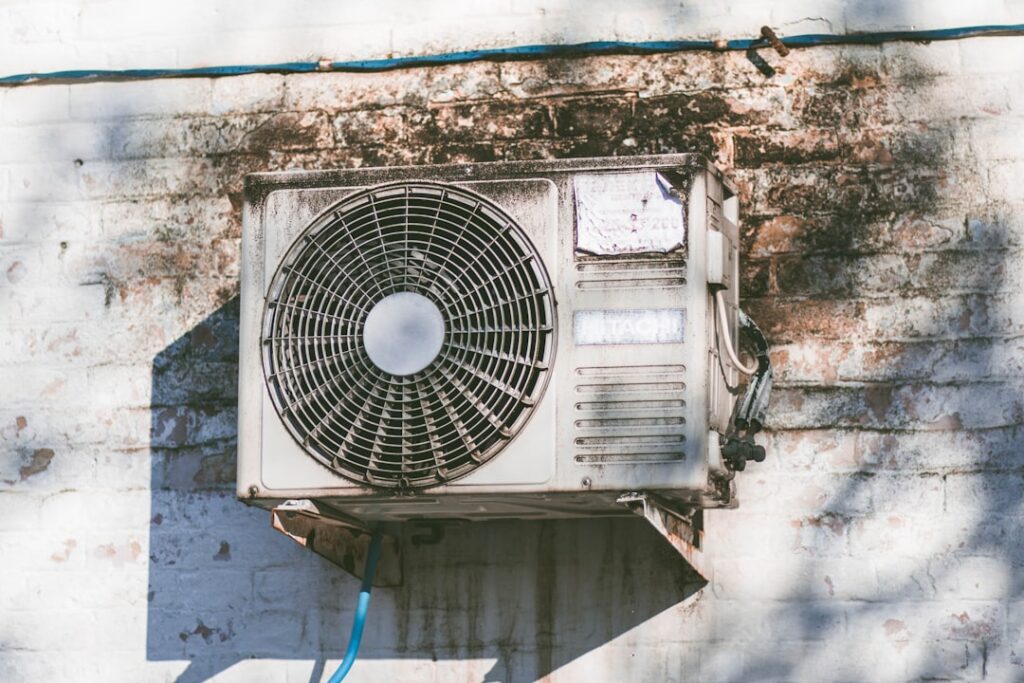
The outdoor portion of your system, known as the condenser unit, has a tough job. It has to release all the heat collected from inside your home into the outdoor air. If the unit is buried under dead leaves, overgrown blackberry bushes, or winter debris, it can’t “exhale” properly.
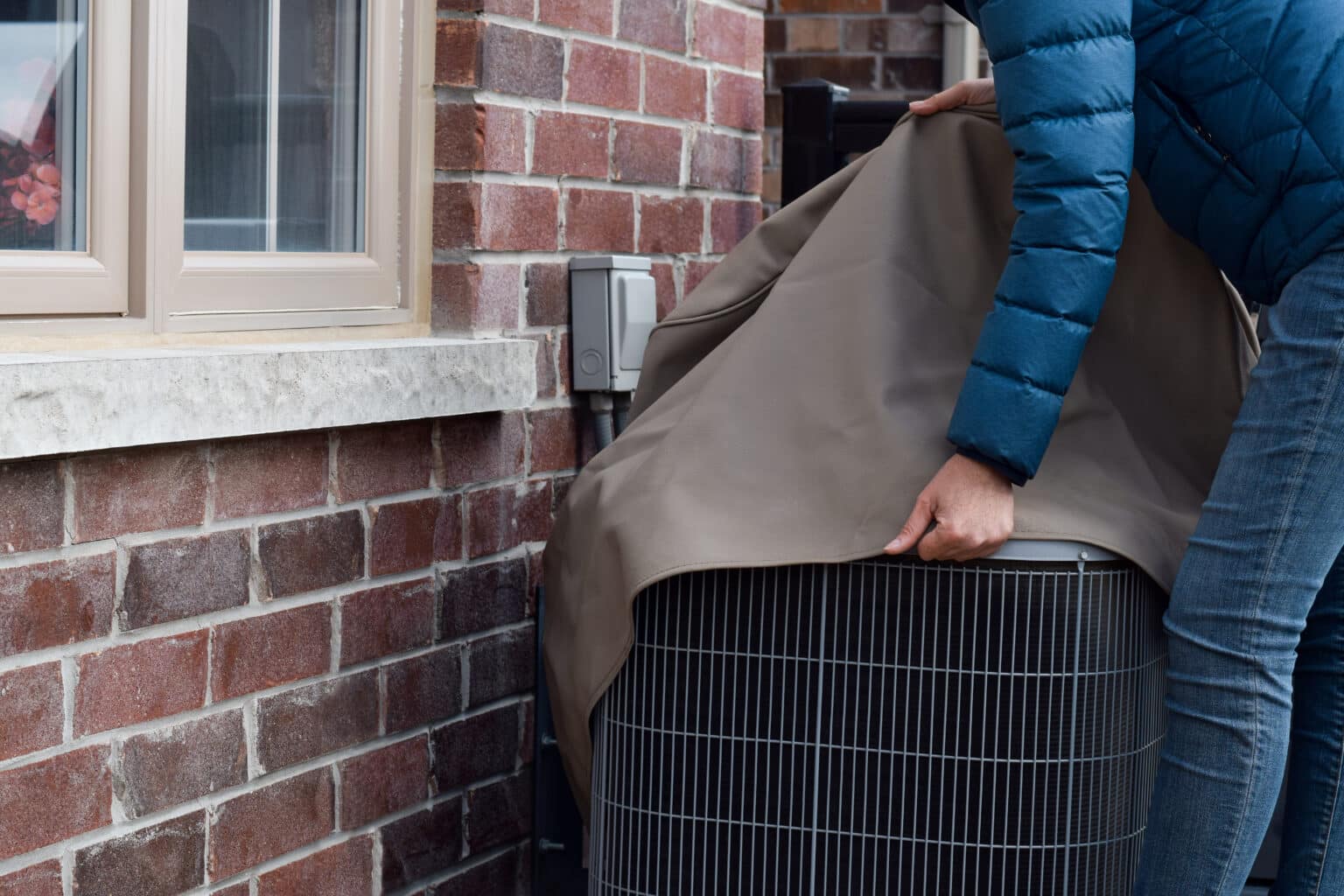
We recommend maintaining at least a 2-foot clearance on all sides of the unit. This allows for the proper air intake required for heat exchange. Take a moment to trim back any vegetation and remove any “coil blankets” or covers you may have used during the winter. Running a unit with a cover still on can destroy the compressor in minutes.
For those looking for expert tips for maintaining your Puyallup split system AC, cleaning the coils is a high-priority task. Over the winter, dirt and salt residues can build up on the delicate aluminum fins.
How to clean your condenser coils safely:
- Turn off the power at the outdoor disconnect box.
- Clear away large debris by hand.
- Use a regular garden hose (never a pressure washer!) to spray the coils.
- Spray from the inside out if possible, or use a gentle steady stream to wash away grime.
- If you notice bent fins, you can use a “fin comb” to carefully straighten them, ensuring airflow remains unobstructed.
Testing your system: How to prepare your AC for summer performance
Don’t wait for the first 85-degree day in King County to see if your AC works. Testing it in April or May gives you a head start if repairs are needed.
First, flip the circuit breaker on at least 24 hours before you plan to run the system. This allows the internal heating element to warm up the refrigerant oil, protecting the compressor from a “hard start.” When you finally turn it on, don’t just walk away. Listen closely. Are there strange noises from your AC unit? Squealing, grinding, or loud banging are signs that a motor or belt needs professional attention.
Check the vents in every room. The air should feel consistently cool. A good rule of thumb is the “temperature split”: the air coming out of the vents should be roughly 15 to 20 degrees cooler than the air going into the return intake. If the air is only lukewarm, you might be dealing with a refrigerant leak or a failing capacitor.
Maximizing Efficiency with Advanced Maintenance
Once the basics are covered, it’s time to look at the “plumbing” of your AC. As your system cools the air, it also removes moisture. In the humid environment of Western Washington, your AC can remove gallons of water every day. This water collects in a drain pan and exits through a condensate drain line.
Over time, algae and mold can grow inside this line, leading to a clog. A clogged drain line can cause water to back up into your home, damaging drywall or triggering a safety switch that shuts down your system entirely. To prevent this, locate the access point on your indoor drain line and pour about a cup of distilled white vinegar through it. This simple DIY step is a core part of our AC maintenance services and can save you from a very messy cleanup.
While you’re near the indoor unit, take a look at the refrigerant lines—the copper pipes connecting the indoor and outdoor units. The larger pipe (the suction line) should be covered in thick foam insulation. If the foam is cracked, missing, or “sun-rotted,” your system will lose cooling capacity before the air even reaches your vents. You can easily find replacement foam sleeves at most local hardware stores in Thurston County.
Addressing ductwork and air distribution
Your ductwork is the highway system for your cool air. Unfortunately, the EPA estimates that the average home loses 20% to 30% of its conditioned air through leaks and gaps in the ducts. This is essentially throwing money into your attic or crawlspace.
Understanding why Puyallup homeowners need regular AC system maintenance often comes down to efficiency. If you can see your ductwork, look for disconnected sections or visible gaps. Do not use standard “duct tape” for repairs—it actually dries out and fails quickly. Instead, use HVAC-rated aluminum foil tape.
Sealing these leaks improves indoor air quality by preventing dust and attic insulation from being sucked into your breathing air. It also ensures that the air you’ve paid to cool actually makes it to your living room.
When to Schedule a Professional Seasonal Tune-Up
While DIY tasks are great, there are some things only a pro should handle. For example, checking refrigerant levels requires specialized gauges and an EPA certification to handle the chemicals. In Kitsap County, we often find that a system with a small refrigerant leak in April (a simple fix) becomes a total compressor failure by July if left unaddressed.
A professional Lakewood AC tune-up is a comprehensive “physical” for your HVAC system. During a visit, our technicians will:
- Check Capacitor Health: Capacitors are like batteries that help your motors start. They often fail during the first heatwave of the summer.
- Tighten Electrical Connections: Vibration can loosen wires over time, leading to shorts or fire hazards.
- Measure Airflow: We ensure your blower motor is pushing the correct volume of air.
- Inspect the Compressor: We check the “heart” of your system for signs of wear.
| Task | DIY | Professional |
|---|---|---|
| Replace Air Filters | Yes | Included |
| Clear Outdoor Debris | Yes | Included |
| Flush Drain Line | Yes | Included |
| Check Refrigerant Levels | No | Yes |
| Test Electrical Components | No | Yes |
| Inspect Internal Coils | No | Yes |
| Calibrate Thermostat | Limited | Yes |
Recognizing Signs Your System Needs More Than Maintenance
Sometimes, no amount of maintenance can save an aging system. If your AC is more than 12 to 15 years old, it may be time to consider the “50% Rule”: if a single repair costs more than 50% of the value of a new system, replacement is usually the smarter financial move.
Keep an eye out for top signs your air conditioner needs repair, such as:
- Short Cycling: The unit turns on and off every few minutes.
- Warm Air: The fan is blowing, but the air isn’t cold.
- Frozen Coils: You see ice forming on the outdoor pipes or the indoor coil.
- Spiking Bills: Your electricity usage is much higher than last summer, even though the weather is similar.
If you find yourself constantly calling for repairs, you might want to look into AC replacement in Puyallup, WA. Modern systems have much higher SEER (Seasonal Energy Efficiency Ratio) ratings. Upgrading from an old SEER 10 unit to a new SEER 16 or higher model can slash your monthly cooling costs by 20% to 40%.
Frequently Asked Questions about Summer AC Prep
How often should I change my air filters during the summer?
In Washington, we recommend checking your filter every 30 days during the peak of summer. If you have pets that shed or live near a dusty area (like a construction zone or gravel road), you will likely need to change it every month. For a standard home with no pets, every 90 days is usually sufficient.
What is the best thermostat setting for energy savings in Washington?
The Department of Energy recommends 78°F when you are home. However, given our relatively mild nights in the Pacific Northwest, many homeowners find that using a programmable thermostat to cool the house down to 72°F at night and letting it rise during the day is a great way to stay comfortable while saving money.
Can I clean my AC coils with a pressure washer?
Absolutely not. The aluminum fins on your AC coils are extremely delicate. A pressure washer—even on a low setting—will flatten the fins, permanently blocking airflow and likely requiring a very expensive coil replacement. Always use a gentle stream from a standard garden hose.
Conclusion
Preparing your home for the summer shouldn’t be a stressful experience. By following this guide on how to prepare your AC for summer, you’re taking the right steps to ensure your family stays cool and your energy bills stay low. Whether it’s a simple filter change or clearing away the winter’s leftover leaves, a little bit of spring effort goes a long way.
At Ares Comfort Systems, we’ve spent decades helping our neighbors in King, Pierce, Thurston, and Kitsap Counties navigate Washington’s changing weather. We stand behind our work with a 100% satisfaction guarantee and our “Fixed Right Promise.” If the DIY steps feel a bit overwhelming, or if you just want the peace of mind that comes with a professional eye, our Comfort Service Agreements are designed to keep your system in peak condition year-round.
Don’t wait until the mercury hits 90 degrees to find out your AC is struggling. Contact us today to schedule your seasonal tune-up and enjoy the summer with confidence!
Air Conditioning Services | WA LIC # ARESCCS766CA