



Why Knowing How to Clean Your AC Condenser Unit Safely Can Save You Money and Headaches
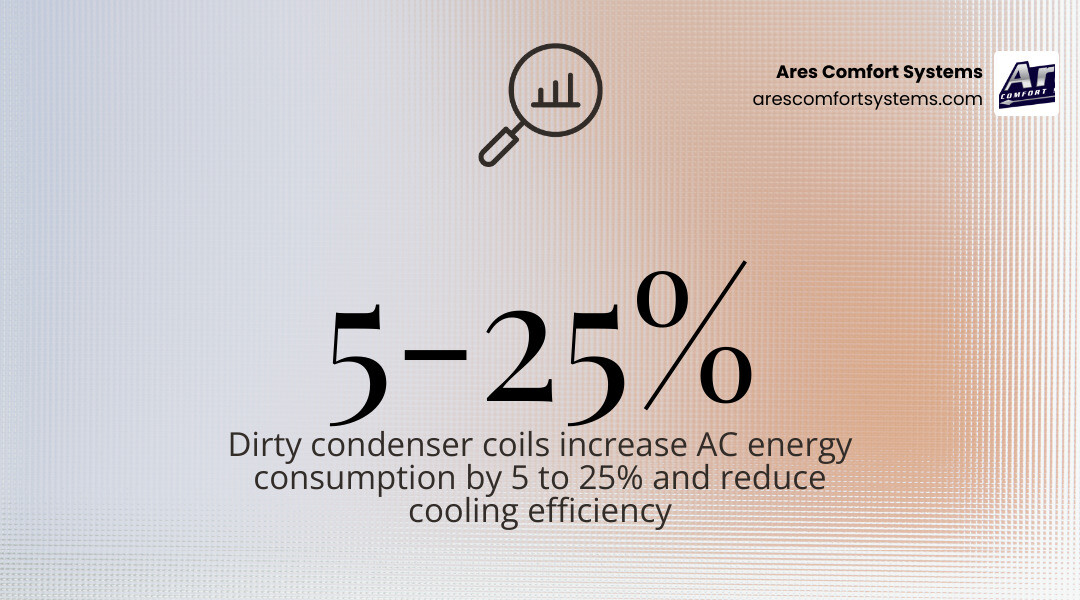
Knowing how to clean your AC condenser unit safely is one of the most effective things you can do to keep your cooling system running efficiently all summer long. According to the U.S. Department of Energy, dirty condenser coils can drive up energy consumption by anywhere from 5 to 25 percent — and that adds up fast on your utility bill.
Here’s a quick overview of the safe steps to clean your AC condenser unit:
- Turn off all power — shut off the thermostat, the outdoor disconnect, and the circuit breaker
- Clear debris from around and inside the unit
- Open the unit by removing the top grille or side panels
- Brush and vacuum the coils using gentle, vertical strokes
- Apply foaming coil cleaner, let it soak, then rinse with a garden hose (inside out)
- Reassemble the unit, let it dry, and restore power
Your outdoor condenser sits exposed to the elements year-round — collecting grass clippings, pollen, leaves, and grime. Over time, that buildup blocks airflow, forces your system to work harder, and shortens the life of your equipment. Most air conditioners last 10 to 20 years with proper care. Skipping basic maintenance like condenser cleaning is one of the fastest ways to cut that lifespan short.
The good news? With the right tools and a bit of caution, this is a job most homeowners can handle in under an hour.
Why Cleaning Your Outdoor Condenser Matters
Your condenser coil’s job is simple: release the heat your AC removed from inside your home. When the coil is coated in dirt, pollen, lint, and yard debris, it cannot dump heat efficiently. That means your AC runs longer, cools less effectively, and puts more strain on important parts like the compressor.
Research consistently shows the payoff of keeping coils clean:
- Dirty condenser coils can increase energy use by 5 to 25 percent
- Heavy buildup can reduce cooling capacity by about 10 to 15 percent
- Dirty coils raise operating temperatures, increase wear, and can contribute to repairs or early replacement
In short, clean coils help your AC run cooler, use less energy, and last longer.

Signs Your Condenser Needs Cleaning
Look for these common signs:
- Grass clippings or leaves stuck to the outside fins
- Pollen, cottonwood, or lint buildup on the coil surface
- Matted or dusty fins you cannot see through easily
- Longer cooling cycles
- Warm or less-cool air from vents
- Higher electric bills without another obvious cause
How to clean your AC condenser unit safely starts with knowing what not to do
A few common mistakes can do more harm than good:
- Do not use a pressure washer
- Do not spray bleach, vinegar, or harsh chemicals on the coil
- Do not scrub with wire brushes or abrasive pads
- Do not bend or lean on refrigerant lines
- Do not spray directly into electrical compartments
- Do not start if you are unsure how to disconnect power safely
Think of the aluminum fins like potato chips: great at their job, terrible at handling rough treatment.
Safety Checklist Before You Start
Before you touch the unit, make safety the first step, not the last-minute thought.
- Turn the thermostat to Off
- Shut off power at the outdoor disconnect
- Turn off the AC breaker at the electrical panel
- Wait for the unit to stop completely
- Make sure the coils are cool, not hot from recent operation
- Wear work gloves and safety glasses
- Clean only in dry weather
- Check your owner’s manual and warranty guidance
- Avoid opening sealed electrical or refrigerant components
Tools and Materials You’ll Need
Most homeowners only need a short list:
- Garden hose with a gentle spray nozzle
- Soft brush or whisk broom
- Shop vacuum with brush attachment
- Screwdriver or nut driver
- Fin comb
- Non-corrosive foaming coil cleaner rated for condenser coils
- Plastic sheeting or a plastic bag to shield exposed electrical parts
- Mild soap and water for the cabinet exterior
How to turn off power to the AC condenser unit safely
Use all three layers of shutoff:
- Set the thermostat to Off
- Turn off the outdoor disconnect near the condenser
- Switch off the breaker that serves the AC condenser
Then wait and confirm the fan has stopped. If the unit still hums, spins, or you are not completely sure power is off, stop there and call for help. Extra caution beats extra excitement.
Step 1: Clear Debris and Prep the Area
Start with the space around the condenser.
- Remove leaves, twigs, and trash from the base
- Trim shrubs and plants back at least 2 feet on all sides
- Keep about 5 feet of open space above the unit when possible
- Pull weeds and rake away grass clippings
- Point your mower discharge away from the condenser in the future
This prep work matters because restricted airflow around the cabinet can hurt performance even if the coil itself is fairly clean.
Step 2: Open the Unit Carefully for Access
If your unit design allows safe access, remove the top grille or side panels using the correct screwdriver or nut driver. Follow manufacturer instructions whenever possible.
A few tips:
- Keep screws together in a cup or tray
- Lift the fan grille carefully so you do not tug on attached wires
- Rest the top gently to the side if wiring is still connected
- Do not force panels that seem stuck
If opening the cabinet would require disconnecting wires or entering sealed sections, do not go further.
Step 3: How to clean your AC condenser unit safely without damaging the fins
Now remove dry debris first.
- Use your hands or a vacuum to remove leaves and larger debris from inside the cabinet
- Brush the coil fins gently with vertical strokes only
- If using a vacuum brush attachment, keep pressure light
- Never scrub side to side across the fins
If needed, place plastic over exposed electrical components before rinsing. Cleaning from the inside out is ideal because it pushes dirt back out the way it came in instead of forcing it deeper into the coil.
Step 4: Apply Coil Cleaner and Rinse the Right Way
Spray a non-corrosive foaming coil cleaner onto the coil according to label directions. Most products need a short soak time, often around 5 to 10 minutes.
Then rinse with a regular garden hose using gentle pressure.
Best practice:
- Spray top to bottom
- Rinse from inside out when accessible
- Avoid blasting electrical components
- Keep the spray steady but soft
Never use a pressure washer. It can flatten fins quickly, and once airflow is blocked, you have traded dirt for damage.
| Cleaning option | Safe for condenser fins? | Best use |
|---|---|---|
| Garden hose with gentle spray | Yes | Routine rinsing and coil cleaner rinse-off |
| Pressure washer | No | Not recommended for condenser coils |
Step 5: Straighten Bent Fins and Check for Damage
If you notice minor fin damage, use a fin comb that matches the fin spacing and straighten them slowly. Bent fins reduce airflow, so even small areas are worth correcting.
Check for:
- Small patches of bent fins
- Crushed or flattened sections
- Oily residue near the coil or line set
- Loose wires or damaged insulation
- Corrosion or obvious physical damage
Minor bends are often manageable. Large crushed sections, widespread corrosion, or oily spots are signs to stop and schedule professional service.
Step 6: Reassemble, Dry, and Restore Power
When everything is clean:
- Remove any plastic covering electrical parts
- Reinstall panels and the top grille
- Tighten screws evenly
- Let the unit dry fully
Then restore power in reverse order:
- Turn the breaker back on
- Reinsert or switch on the outdoor disconnect
- Set the thermostat back to Cool
Give the system a test cycle and confirm the fan is spinning and warm air is blowing out of the top of the condenser.
How Often to Clean an AC Condenser Unit
For most homes in Washington, a thorough condenser cleaning once a year in spring is a good baseline. During cooling season, quick visual checks help you catch buildup early.
You may need more frequent rinsing if your home has:
- Lots of trees or cottonwood nearby
- Heavy pollen
- Dusty yard conditions
- Frequent mowing close to the unit
- Salt exposure near the water
For seasonal upkeep tips, see essential spring HVAC tasks.
When light rinsing is enough and when deep cleaning is needed
A light rinse is usually enough when you only see surface dust or a little pollen on the outside fins.
A deeper cleaning is better when you have:
- Visible matted debris
- Dirt packed between fins
- Reduced airflow
- Longer run times
- Noticeable efficiency loss
Maintenance habits that keep coils cleaner longer
A few habits go a long way:
- Change your air filter on schedule
- Trim shrubs regularly
- Remove leaves and clippings around the unit
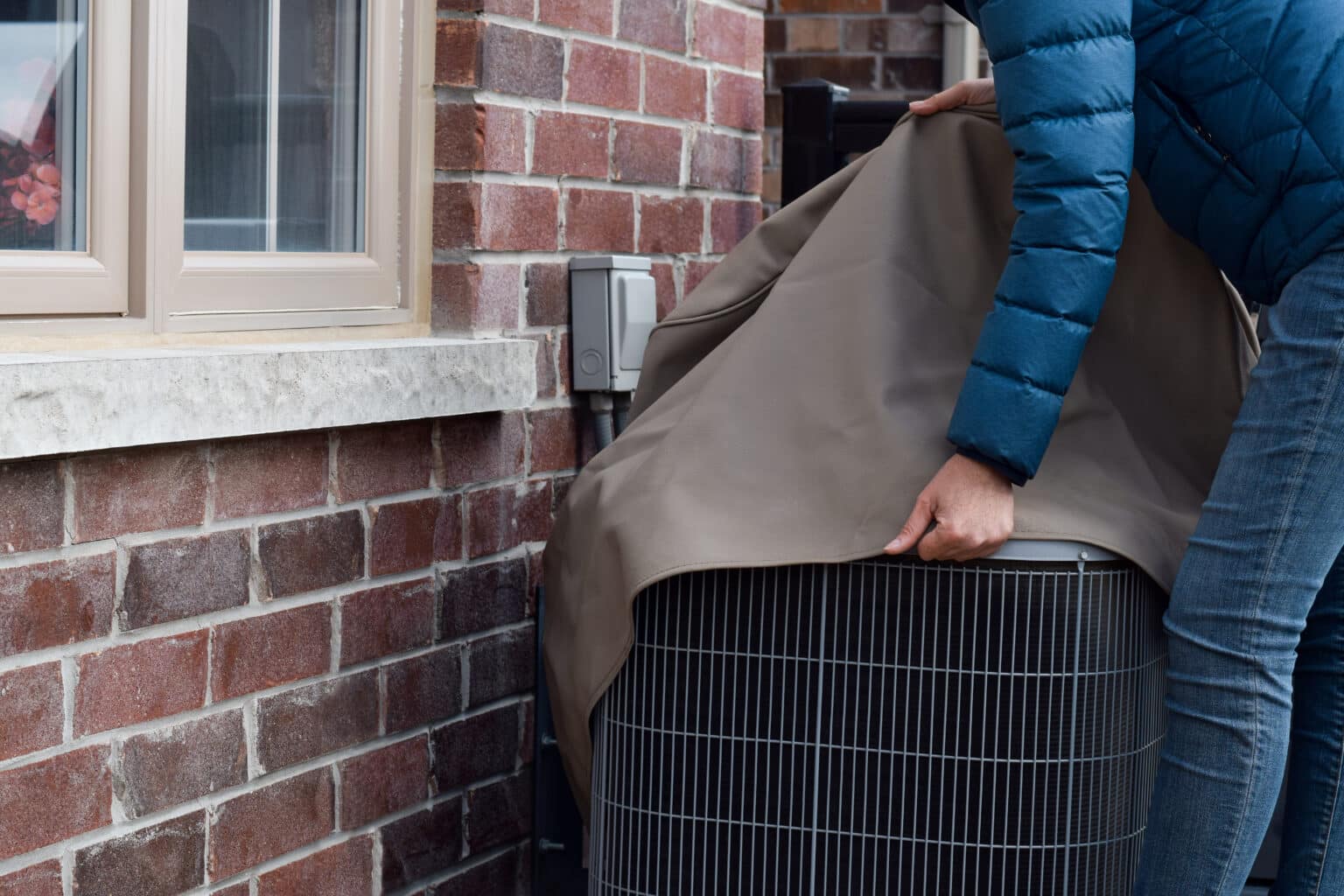
- Do not fully wrap the condenser with plastic in winter
- Use only breathable top protection if needed
These guides can help:
- How to maintain your heating and cooling system like a pro
- The essential guide to changing your air filter this spring
When to Call a Professional Instead of DIY
DIY cleaning is helpful, but it has limits. Call a professional if you notice:
- You are unsure about shutting off power
- Significant fin damage
- Oily residue that may suggest a refrigerant leak
- Strange noises
- Frozen components
- Repeated shutdowns
- Poor cooling that continues after cleaning
- Mini-split or more complex system concerns
How to clean your AC condenser unit safely if problems continue after cleaning
If the AC still struggles after you clean the outdoor unit, the issue may not be the condenser alone. Other possibilities include:
- A dirty indoor air filter
- Indoor airflow restrictions
- Thermostat problems
- Electrical component issues such as a failing capacitor
- Compressor trouble
- Refrigerant-related problems
At that point, more DIY guessing usually does not help.
Why annual maintenance still matters after DIY cleaning
Even if you handle light condenser cleaning yourself, yearly professional maintenance is still worth it. A full service visit can include:
- Coil inspection and deeper cleaning as needed
- Refrigerant checks
- Electrical testing
- Airflow measurement
- Performance testing
- Early detection of wear before it turns into a breakdown
Learn more here:
Frequently Asked Questions About How to Clean Your AC Condenser Unit Safely
Should you use a pressure washer or garden hose on condenser coils?
Use a garden hose with low pressure. Pressure washers can bend delicate fins and reduce airflow.
How often should you clean your outdoor AC condenser unit?
Plan on a full cleaning about once a year, ideally before summer. Check it during cooling season and rinse more often if you have heavy pollen, cottonwood, or yard debris.
Will cleaning the condenser fix an AC that isn’t cooling?
Sometimes, but not always. If dirty coils were the main problem, cleaning can improve performance. But if the issue involves airflow, refrigerant, controls, or electrical parts, you will need a professional diagnosis.
Conclusion
Knowing how to clean your AC condenser unit safely can help you improve efficiency, reduce strain on your system, and support a longer equipment life. The key is simple: shut off power, use gentle tools, avoid high pressure, and know when to stop.
If you would rather leave maintenance to the pros, or if your system still is not cooling properly after cleaning, our team at Ares Comfort Systems is here to help homeowners across King, Pierce, Thurston, and Kitsap counties. For more on seasonal care and professional tune-ups, visit our HVAC maintenance page.