


The Three Pillars of how to improve indoor air quality at home
Improving the air you breathe isn’t just about buying a fancy gadget; it’s about a multi-layered strategy. Think of these as your “Air Cleaning Allies.” To truly master how to improve indoor air quality at home, we focus on three primary methods: source control, improved ventilation, and air cleaning/filtration.
- Source Control: This is the most effective and cost-efficient strategy. It involves eliminating individual sources of pollution or reducing their emissions. For example, How to Improve Indoor Air Quality often starts with simply not smoking indoors or choosing low-VOC paints.
- Improved Ventilation: This involves increasing the amount of outdoor air coming indoors. While it can increase energy costs slightly, it’s vital for diluting the concentration of indoor pollutants.
- Air Cleaners and Filtration: These are used to remove particles from the air. While highly effective for dust and dander, most basic air cleaners are not designed to remove gaseous pollutants like radon or certain VOCs.
| Strategy | Effectiveness | Cost-Efficiency | Best For |
|---|---|---|---|
| Source Control | Highest | Excellent | Chemicals, Smoke, Asbestos |
| Ventilation | High | Moderate | CO2, Cooking odors, Humidity |
| Filtration | Moderate-High | Variable | Dust, Pollen, Pet Dander |
Practical Steps on how to improve indoor air quality at home Through Source Control
If you want to know Is Your Lakewood Home Air Actually Fresh?, you have to look at what is sitting inside your four walls. Source control is about stopping the “bad guys” before they even get into your lungs.
- Asbestos and Lead: In older Washington homes, asbestos-containing materials (like old pipe insulation or floor tiles) should be sealed or enclosed rather than disturbed. Similarly, keep an eye on lead-based paint; ensure it isn’t peeling or creating dust.
- Gas Stove Adjustments: Ensure your gas stove is properly adjusted. A flickering orange flame instead of a crisp blue one can indicate increased carbon monoxide emissions.
- Low-VOC Choices: When buying new furniture or carpets, look for “Low-VOC” or “Formaldehyde-free” labels. Pressed-wood products (like particleboard) often off-gas formaldehyde for years. Opting for solid wood or used furniture can significantly reduce these levels.
- Strict Smoking Ban: This is the easiest “no-cost” win. Banning all tobacco and vaping products indoors eliminates thousands of chemicals and “thirdhand smoke” that clings to fabrics.
how to improve indoor air quality at home Using Modern Ventilation
In the tight, energy-efficient homes we see today in Pierce and King Counties, natural “infiltration” (air leaking through cracks) isn’t enough. Improving Your Tacoma Home Air Quality Today requires intentional air movement.
- Natural Ventilation: On days when the outdoor AQI is good, open windows on opposite sides of the house to create cross-ventilation. Even 10 minutes a day can flush out stale air.
- Mechanical Exhaust: Always run your bathroom and kitchen exhaust fans. Research shows that using your range hood on a high setting can reduce particles and gases by more than 80% compared to lower speeds. Make sure these fans actually vent to the outdoors, not just back into the attic or kitchen.
- Advanced Systems: For newer, airtight homes, we often recommend Heat Recovery Ventilators (HRVs). These systems bring in fresh outdoor air while “recovering” the heat from the outgoing stale air, keeping your home fresh without sending your heating bill through the roof.
Advanced Filtration and Air Cleaning Strategies
When source control and ventilation aren’t enough—especially during wildfire season or high-pollen springs in Western Washington—filtration becomes your best friend.
HEPA filtration is the gold standard. A true HEPA filter can remove more than 99% of harmful particles from the air, including those as small as 0.3 micrometers. This includes most smoke, mold spores, and allergens.
In your central HVAC system, we recommend using filters with a MERV-13 rating or higher. These are dense enough to trap bacteria and smoke particles but still allow your furnace to “breathe” properly. Using a filter that is too thick without professional calibration can actually strain your system’s motor.
Pro-Tips for Air Cleaners:
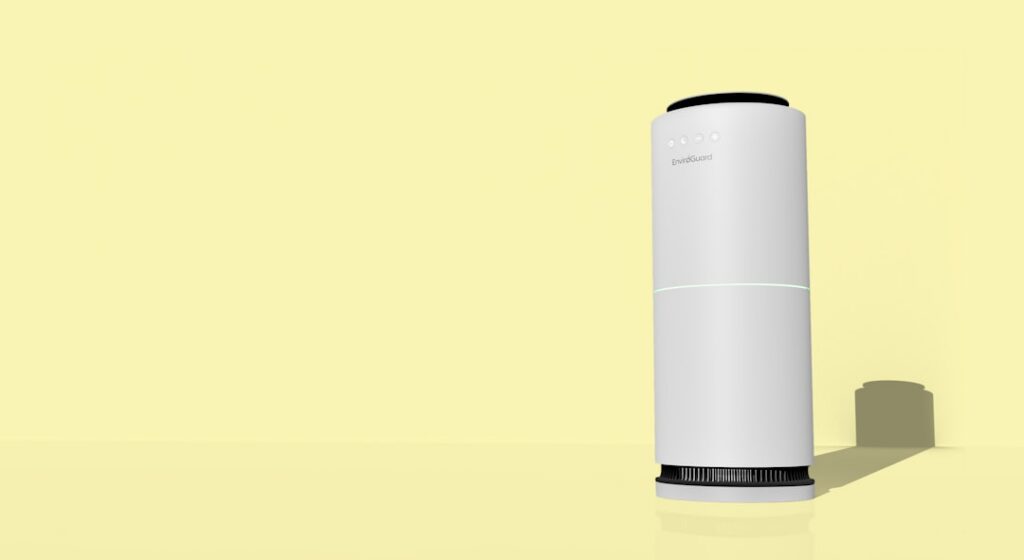
- CADR Ratings: Look for the Clean Air Delivery Rate (CADR). Ensure the unit is sized correctly for the room; it should be able to cycle the air 4–6 times per hour.
- Placement: Place portable purifiers in the rooms where you spend the most time, like bedrooms. Keep them away from walls or curtains that might block airflow.
- Maintenance: Check your HVAC filter monthly. In homes with pets or smokers, you may need to replace it every 30 days. At a minimum, don’t let it go past 90 days.
- Avoid Ozone: Stay away from “ionic” cleaners that intentionally produce ozone. Ozone is a lung irritant and is not recommended for home use.
Managing Humidity and Biological Allergens
In the damp climate of the Pacific Northwest, humidity is a major factor in IAQ. If you’re looking for Lakewood IAQ Services That Won’t Leave You Gasping, you have to talk about moisture.
Our target is 30–50% relative humidity.
- Above 60%: You’re inviting mold, mildew, and cockroaches.
- Below 30%: You’ll deal with dry skin, static electricity, and irritated sinuses, which can make you more susceptible to viruses.
To keep biological pollutants at bay, use a hygrometer (a cheap device that measures humidity) to monitor your home. If your basement is damp, run a dehumidifier. In the kitchen and bath, ensure fans run for at least 15 minutes after you’re done cooking or showering.
Clean for Health, Not Just Appearance:
- The 130°F Rule: Wash bedding weekly in water that is at least 130°F to kill dust mites.
- Microfiber is King: Don’t use feather dusters—they just move dust around. Use damp microfiber cloths that trap the particles.
- Pet Management: Keep pets out of bedrooms if possible, and vacuum weekly with a HEPA-equipped vacuum to manage dander.
Testing and Monitoring Your Home’s Air
You can’t fix what you can’t see. Testing Your Tacoma Home for Better Indoor Air is the only way to identify invisible threats.
Radon Testing: Radon is a colorless, odorless radioactive gas that leaks from the soil. It is the second leading cause of lung cancer in the U.S. Because it’s undetectable by human senses, every home in Washington should be tested.
Carbon Monoxide (CO): This is a “silent killer.” Install CO detectors on every floor and near sleeping areas. If you have gas appliances or an attached garage, this is non-negotiable.
DIY vs. Professional: While DIY kits are great for a baseline, they can be hard to interpret. If you notice persistent musty odors, visible mold on window sills, or if your family feels better when they are away from home, it’s time for a professional assessment. We can use advanced sensors to track VOC levels and particulate matter (PM2.5) in real-time to find the exact source of your discomfort.
Frequently Asked Questions about Indoor Air Quality
Do houseplants really clean indoor air?
This is a common misconception. While famous NASA studies showed plants can remove VOCs in a laboratory setting, you would need a literal forest—hundreds of plants—to make a dent in a standard home’s air quality. In fact, over-watering plants can lead to mold growth in the soil, which actually worsens IAQ for allergy sufferers. Stick to plants for aesthetics, but rely on your HVAC system for air cleaning.
How often should I change my HVAC filters in 2026?
In 2026, with higher efficiency standards, we recommend a monthly inspection. If the filter looks gray or fuzzy, change it. Most homes need a new filter every 1 to 3 months. If you have pets, live near a busy road in King County, or have family members with asthma, err on the side of every 30 days.
What are the most common signs of poor IAQ?
The symptoms often mimic a cold or allergies:
- Frequent headaches or unexplained fatigue.
- Irritation of the eyes, nose, and throat.
- Increased asthma flare-ups or respiratory infections.
- Lingering odors that don’t go away.
- Condensation on windows (a sign of high humidity).
Conclusion
Mastering how to improve indoor air quality at home is a journey, not a one-time task. By focusing on source control, ensuring your home is properly ventilated, and maintaining high-quality filtration, you can create a sanctuary for your family. The health benefits—from better sleep to fewer sick days—are well worth the effort.
At Ares Comfort Systems, we’ve spent decades helping our neighbors in Lakewood, Tacoma, and throughout the Puget Sound region breathe easier. Whether you need a MERV-13 filter upgrade, a whole-home dehumidifier, or a professional air quality audit, we’re here to help. Our work is always backed by our 100% Satisfaction Guarantee and our Fixed Right Promise.
Ready to clear the air? Explore our Professional IAQ and HVAC Services today and let us help you turn your home into a fresh air haven.